1. Leverage Artificial Intelligence (AI) and Automation
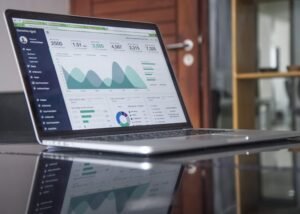
Artificial intelligence (AI) is no longer just for large enterprises. Small businesses can now take advantage of AI tools to streamline marketing tasks, enhance customer experience, and optimize campaigns. AI can help with personalized marketing, predicting customer behavior, and automating repetitive tasks like email campaigns and social media posting.
For example, AI-driven tools like chatbots can enhance customer service by providing instant responses, while AI-powered analytics tools can help businesses optimize their digital marketing strategies by identifying trends and customer preferences. Automation can save valuable time and resources, allowing your marketing team to focus on more strategic tasks.
2. Focus on Hyper-Personalization
Consumers expect more than generic advertisements. They want personalized experiences that speak directly to their needs and preferences. Hyper-personalization involves using data, AI, and customer insights to create highly targeted campaigns and content that resonate with individual customers.
By analyzing customer behavior, purchase history, and interactions with your brand, you can deliver personalized messages across multiple channels—email, social media, websites, etc. Whether it’s personalized product recommendations, targeted discounts, or tailored content, hyper-personalization can significantly increase customer engagement and drive conversions.
3. Embrace Video Marketing and Live Streaming
Video continues to be one of the most powerful tools for engaging consumers. In 2026, video marketing is no longer just about creating promotional videos. Consumers are looking for authentic, behind-the-scenes content, product demos, tutorials, and live interactions.
Live streaming, in particular, has become a game-changer for SMEs. Platforms like Facebook, Instagram, and YouTube offer live video capabilities, which can be used to host product launches, Q&A sessions, customer testimonials, and more. Live streams create a sense of urgency and excitement, encouraging real-time engagement and building a stronger connection with your audience.
4. Utilize Social Commerce
Social media platforms are no longer just places to share content—they’ve become integrated marketplaces. Social commerce, the act of buying and selling products directly on platforms like Instagram, Facebook, TikTok, and Pinterest, has become a key strategy for SMEs.
By optimizing your social media profiles for e-commerce and using features like Instagram Shops or Facebook Marketplace, you can meet customers where they spend their time and reduce friction in the buying process. This integration of e-commerce and social media makes it easier for consumers to make purchases directly from their social feeds, leading to increased sales and brand visibility.
5. Adopt a Strong Content Marketing Strategy
Content marketing remains one of the most effective ways to attract, engage, and retain customers. In 2026, it’s not just about blogging—it’s about creating diverse, high-quality content that meets your audience’s needs across different platforms. From podcasts and infographics to in-depth guides and interactive quizzes, content marketing should be multi-faceted.